
Famous Connecticut Arrest Records
Well-known Connecticut cases leave a long paper trail. An arrest report, a docket, a prosecutor's release, and years of later filings may all exist. A public image could be a booking photo, a courtroom shot, or an unrelated file picture. Those are not the same thing. Each case below is documented in state or federal records covering the arrest and its outcome.
Dispositions vary widely. One conviction was vacated and the charge later dropped. Another case closed when the defendant died. Others ended in convictions and sentences. Every entry names the record path that confirms the history. No booking image is reproduced here. Where no official public photo archive exists, the gap is stated rather than filled with a news picture.
Notable Connecticut Arrest Cases
Treat the table as a starting point. It is not a ranking of people or cases. The linked records show what the agency or court reported, and a later docket may hold added rulings or sentence details.
| Case | Arrest or case year | Disposition and record route |
|---|---|---|
| Michael Skakel / Martha Moxley | 2000 | Conviction vacated; charge dropped before a new trial. See the official DCJ case history and court files. |
| Steven Hayes / Cheshire case | 2007 | Convicted; sentence later became life without release. See the OLR report and DOC materials. |
| Joshua Komisarjevsky / Cheshire case | 2007 | Convicted; later resentenced to life without release. See the OLR report and sentencing record. |
| Joseph Ganim / federal corruption | 2003 | Federal jury conviction announced by the U.S. Attorney’s Office. |
| John G. Rowland / federal cases | 2004, 2014 | Separate federal matters; the DOJ release distinguishes the plea and later conviction. |
| Fotis Dulos / Jennifer Dulos case | 2019–2020 | Criminal case dismissed after his death; not a conviction. |
| Michelle Troconis / Dulos case | 2019–2024 | Jury guilty verdict in 2024; use the current docket for later sentence details. |
| Michael Ross / historical DOC record | Historical | Convicted of multiple murders; executed in 2005. State DOC and OCPD histories document the result. |
Connecticut Skakel Case Records
Michael Skakel was prosecuted for the 1975 killing of Martha Moxley. The state's case history says the matter began in juvenile proceedings. It then moved to adult court. A jury convicted him in 2002. The sentence was 20 years to life. That was not the end. In 2018 the Connecticut Supreme Court vacated the conviction and ordered a new trial. Prosecutors later announced he would not face a retrial, and the charge was dropped in 2020, the Associated Press reported.
The official Division of Criminal Justice case history anchors this record trail, alongside the Superior Court and appellate files. The Judicial Branch docket interface offers the type of court search used to follow such a history. It is not a photograph source. The online display is not a certified record and may miss later filings. No official public booking-photo page exists for Skakel. A news photograph should never be relabeled as a booking image.
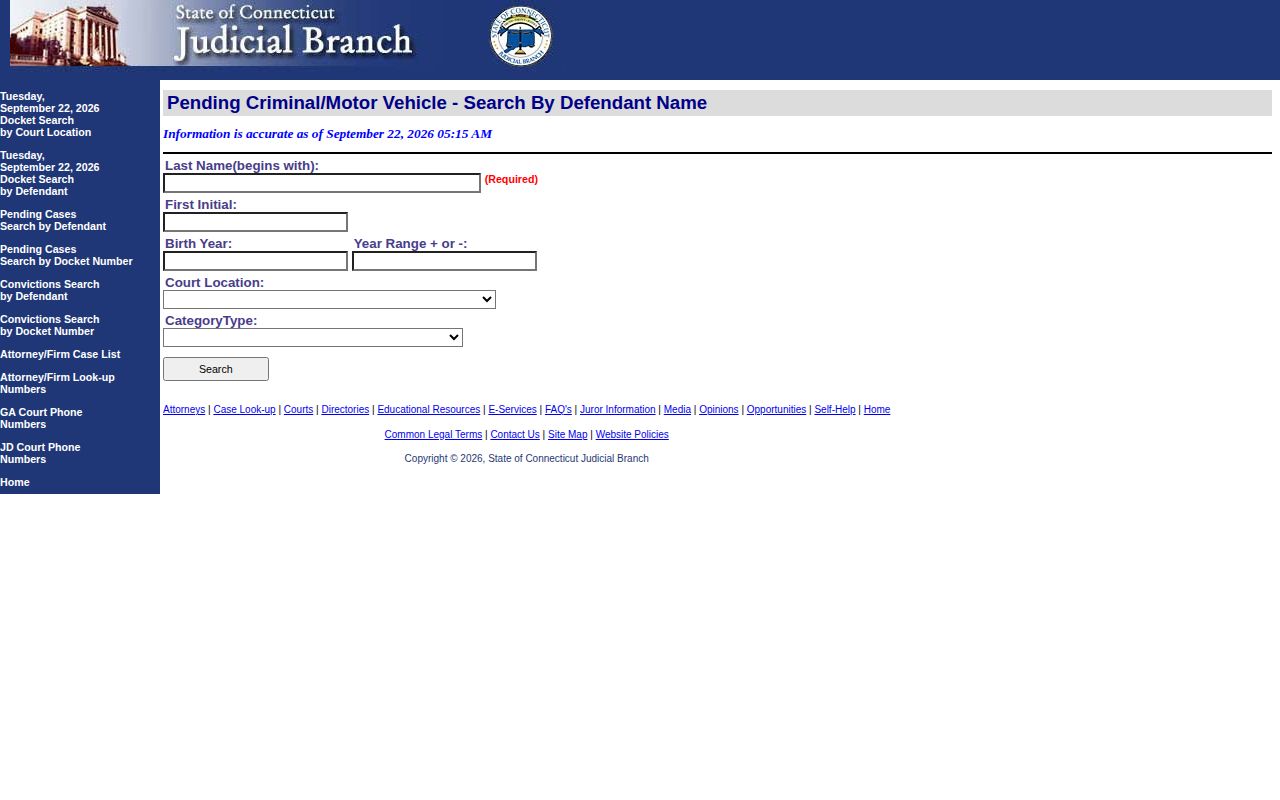
To trace another arrest, search by case number or name. Then ask the clerk for a current certified disposition.
Connecticut Cheshire Case Records
Steven Hayes and Joshua Komisarjevsky were arrested in 2007 in the Cheshire home-invasion case. State legislative research documents the jury outcomes and sentence history. Hayes was convicted and sentenced in 2010. Komisarjevsky was convicted in 2011. Connecticut later converted those death sentences to life without the possibility of release. Death-penalty changes and court rulings drove the shift.
The Office of Legislative Research report covers the case. It is a quick route to offense dates, verdicts, and sentencing status at the time. The DOC FAQ notes that Connecticut has no death row and explains the sentence change. For full files, turn to the Superior Court, appellate docket, and state prosecution materials. No official public booking-photo repository covers either defendant. So no face image appears here or gets linked secondhand.
The lesson: an arrest year never tells the whole story. Verdict, sentence, and later legal changes all belong in one record trail.
Connecticut Federal Arrest Records
Joseph Ganim's Bridgeport public-corruption prosecution played out in federal court. The U.S. Attorney's release says a jury convicted him in 2003 on 16 counts. Those included racketeering, extortion, mail fraud, bribery, conspiracy, and tax offenses. The controlling record sits in the federal docket, indictment, trial filings, and DOJ announcement. Later public life does not replace the federal disposition.
John G. Rowland's file needs extra care. Two federal cases appear in the same DOJ history. In the 2004 matter, he pleaded guilty and was sentenced in 2005 to 12 months and one day in prison, plus four months of home confinement and 300 hours of community service. The same release describes a separate 2014 conviction tied to campaign work. Keep those dockets and outcomes apart.
For any federal case, search the District of Connecticut court record or the relevant DOJ source. The federal prison locator covers only BOP custody. It offers no public booking-photo field. Neither a prison search result nor a news image shows what appeared on an original arrest record.
Connecticut Dulos Case Records
Fotis Dulos was arrested while investigators searched for Jennifer Dulos, who vanished in 2019. Hearst Connecticut posted the January 2020 arrest-warrant application in full. Law enforcement and the court hold the originals. Dulos died in January 2020. A judge dismissed the criminal case that March, UPI reported.
Michelle Troconis stood trial as a separate defendant. A Connecticut jury convicted her in 2024, the Division of Criminal Justice announced. The counts included conspiracy and evidence tampering, among others. Sentencing was set for May 31, 2024, per that release. The release stops there. Check the current Judicial Branch docket first. Confirm any sentence or appeal outcome before citing a later result.
These two matters share headlines, not a single file. The docket and the specific state's attorney release identify each person and outcome. A courtroom photo or news image may show a defendant. It still is not a booking photograph.
Connecticut Historical Case Records
Michael Ross belongs to Connecticut's older corrections and court history. The DOC's 2005 account and the Office of Chief Public Defender history both document his case. They record his murder convictions. His death sentence and 2005 execution appear there too. For a final outcome, those official histories win. They beat any old face image or reposted arrest entry. Court files and state records trace how the case unfolded.
Historical research can lead somewhere other than a modern docket. The Connecticut State Archives collections page lists finding aids, indexes, and digitized holdings. It makes no promise that a booking photo survives in any series. Ask an archivist to confirm the record series first. A catalog hit should never stand in for a full case file.
Connecticut Arrest and Erasure Law
Public access and later erasure can coexist in Connecticut. C.G.S. § 1-215 defines a public arrest record. It excludes juvenile arrests, erased matters, and investigative files. In Martin v. Hearst Corporation, the Second Circuit weighed accurate arrest reporting. The charges there were nolled, and the records were later erased. Erasure alone, the court held, did not make the earlier report actionable. That ruling explains something practical. An official erasure and an old online story may not change together.
The current Connecticut FOI chapter holds the official text on arrest-record access. Erasure, sealing, and corrections run through a court or agency. The office that owns the record controls the fix. A reader should confirm the operative disposition before asking an independent publisher to update anything.
The current Connecticut FOI chapter page marks out the public-record provisions. It is legal reference material, not an image of anyone in a case.
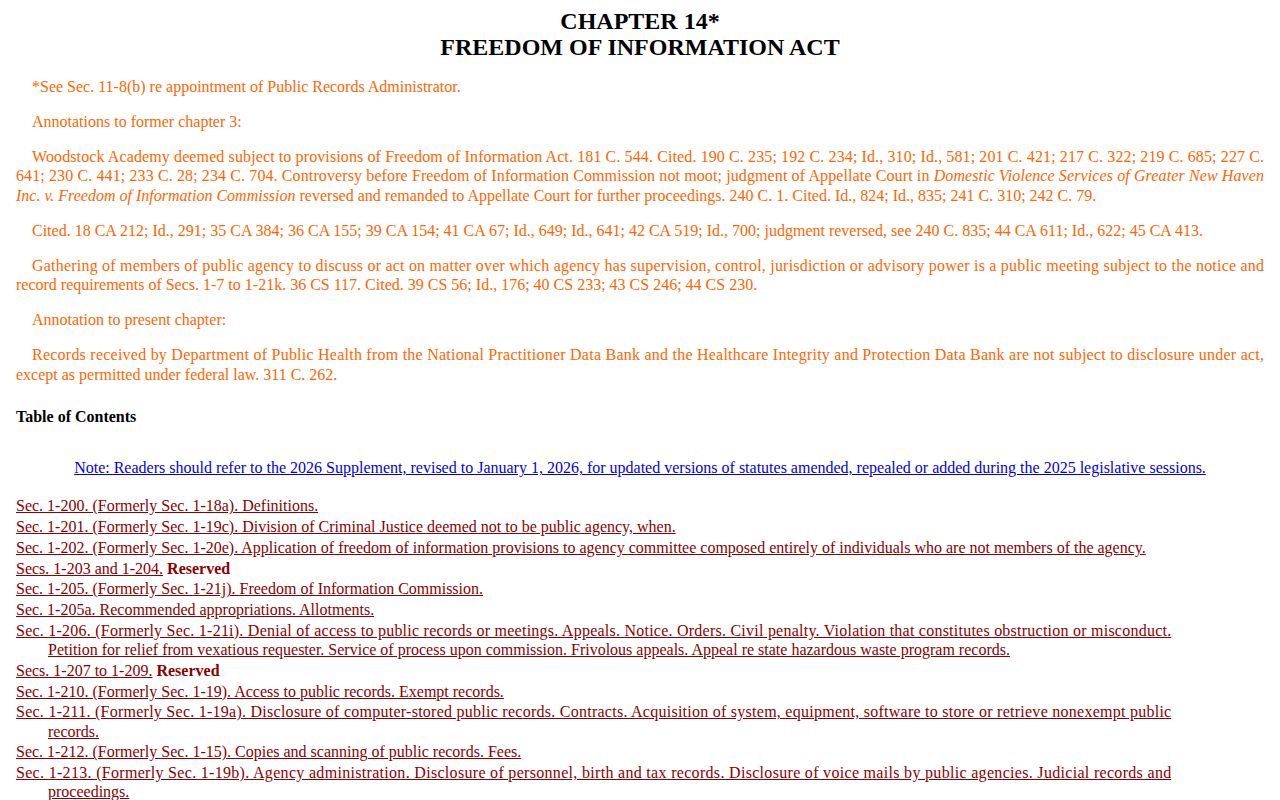
Pair the statute with the case docket and any later erasure record. None of them should ever be swapped for a mugshot repost.
Connecticut Archives Lookup Path
Older corrections records often sit in State Archives collections. They rarely turn up on a police search page. Start with the collection finding aid. Then work through the individual-name databases. See whether an index points toward a record group or item. Wethersfield Prison Records indexes cover prisoners from 1800 through 1903. That index is no booking-photo archive. An original file may hold only a register or a description. Access depends on the series and current rules. The State Archives collections interface helps identify finding aids and related digital records.
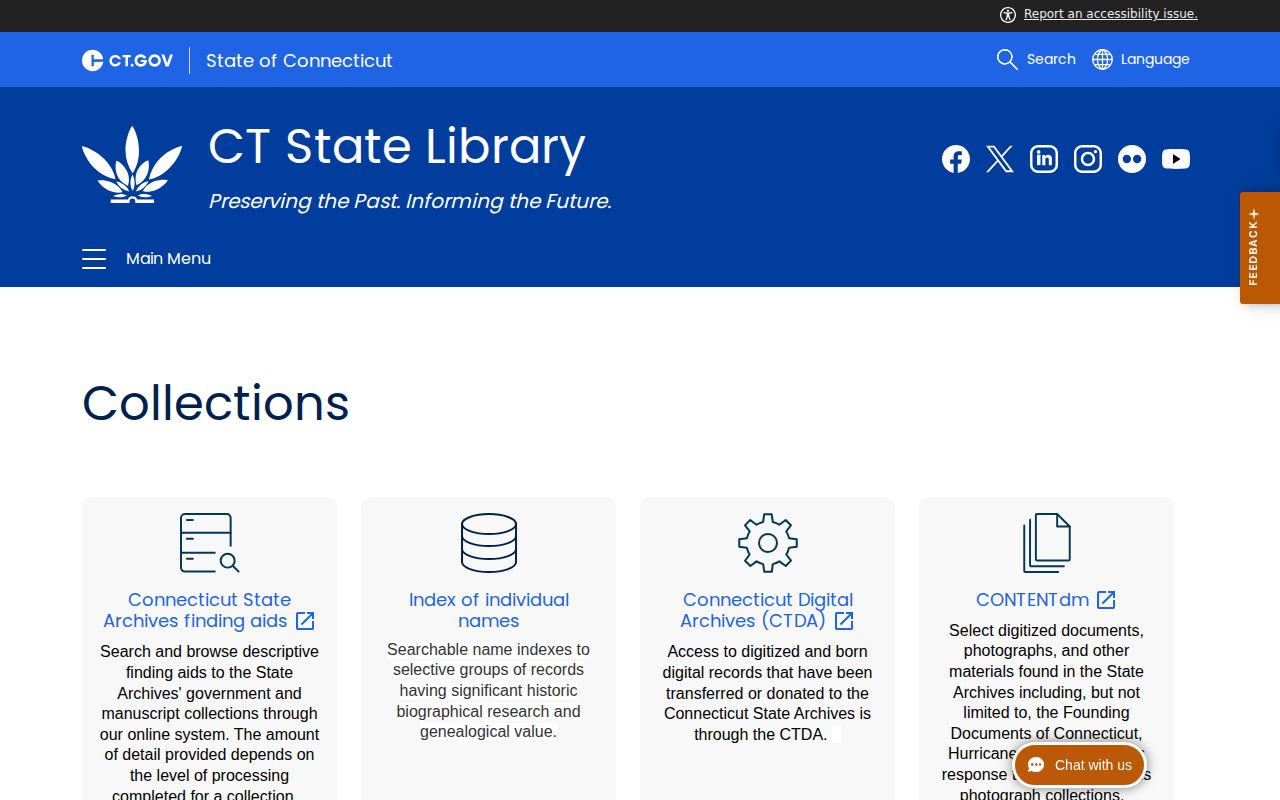
Ask staff before you travel or request a copy. Confirm the series, box, or digital item first. The Archives' individuals database page identifies the Wethersfield prison index and other name-based resources.
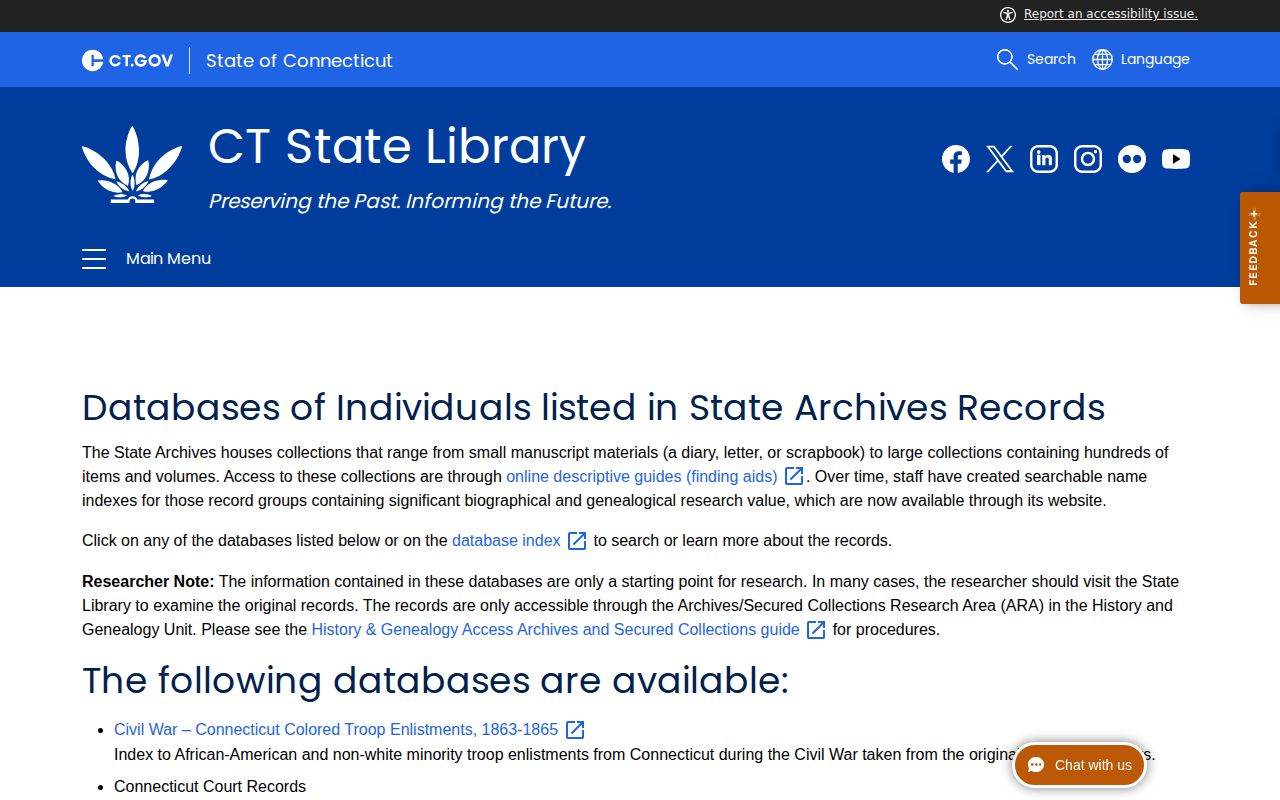
A catalog hit shows a record may exist. Only the repository can confirm a photograph survives and may be copied.
Look Up a Connecticut Arrest
The right source depends on the event and custody stage. Start with the arresting agency. Then follow the case through court. When custody shifts to DOC or a federal system, use that agency's current locator, and for older material, ask the archive rather than treating a news photograph as the original record.
- Identify the town or State Police agency and request the arrest report and any separate booking photo.
- Search the court docket for the case status and disposition; confirm same-day or certified details with the clerk.
- Use DOC only for its current incarceration or supervision scope. A missing result may reflect release or a documented exclusion.
- For older records, search Archives finding aids and name indexes, then ask staff whether the series contains an image.
The statewide Connecticut busted-mugshot lookup walks through local feeds, DOC, court, and request routes. For files already in archival custody, the historical mugshot archive guide covers the State Archives path.
An arrest file marks one stage of a case. The court docket tells the rest of the story.